


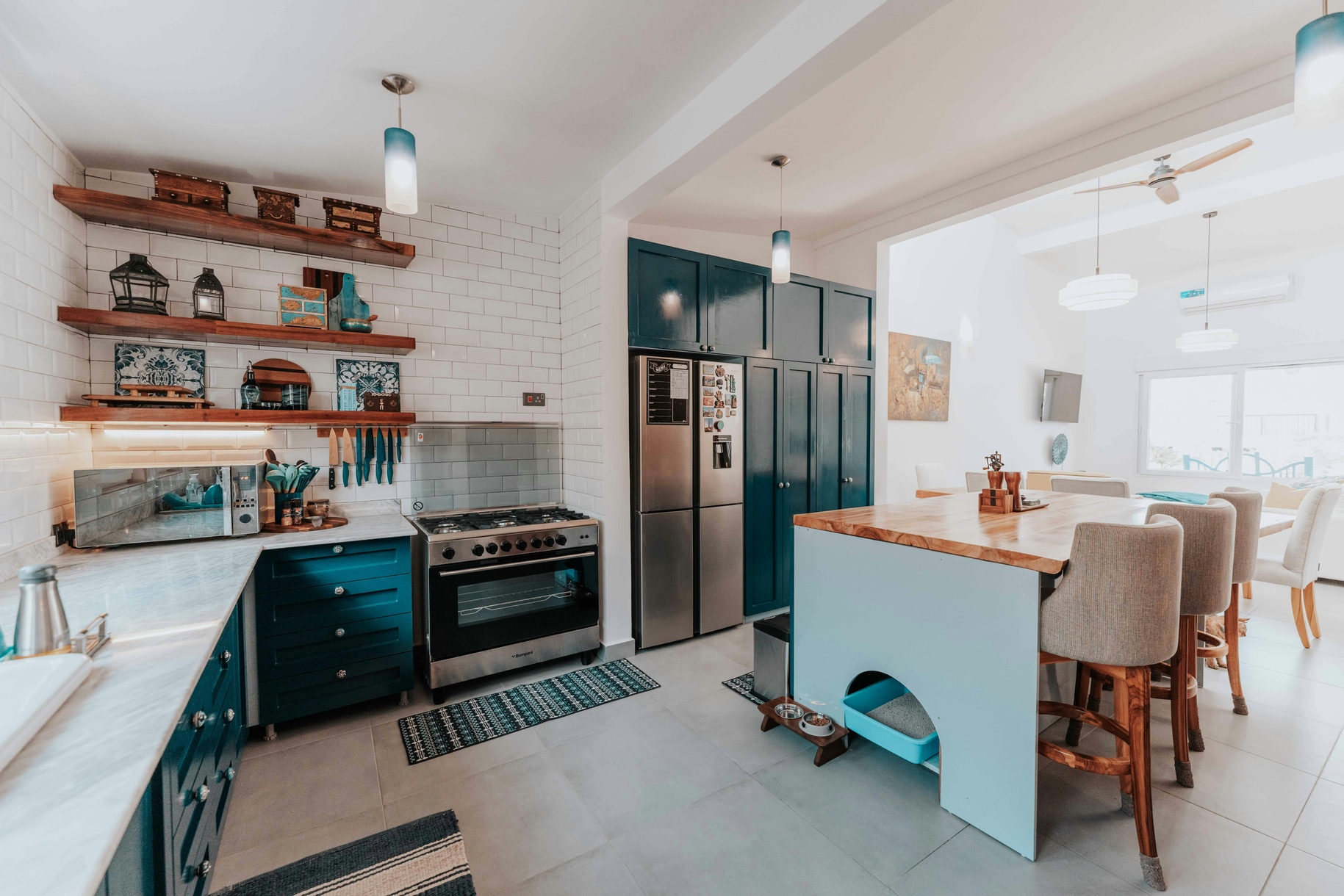
Your kitchen floor has a tough job. Spills happen. Crumbs hit the floor. Chairs slide back and forth. Pets wander through. And during family gatherings, the kitchen often becomes the busiest room in the house. Your flooring needs to handle all of it and still look good.
So, what is the best flooring for your kitchen? There isn’t one answer for every home. Luxury vinyl, tile, laminate, and hardwood can all be possibilities depending on your lifestyle, design goals, and the specifications of the individual product. At LG Kramer Flooring, that’s exactly how we approach flooring. We look at durability, wear, moisture, design, and technical details to help you make an informed choice. Let’s compare your options.
What should you look for in kitchen flooring?
Start with your lifestyle.
A household with children, pets, and frequent entertaining has different flooring needs than a home where the kitchen sees lighter use.
For most kitchens, consider:
Water and moisture resistance
Scratch and dent resistance
Ease of cleaning
Comfort underfoot
Durability
Slip resistance
Style and color
Installation requirements
Don’t judge flooring by looks alone. Two products in the same category can have very different performance specifications, even when they come from the same manufacturer.
The details matter.
Is luxury vinyl good for kitchens?
Luxury vinyl is one of the first options many homeowners consider for a kitchen.
Why? It combines practical performance with a huge range of designs.
Luxury vinyl flooring can closely replicate hardwood, stone, and tile. Luxury vinyl plank provides the appearance of wood boards, while luxury vinyl tile can create stone and ceramic inspired designs.
Many luxury vinyl products are waterproof, making them especially attractive for kitchens where spills are part of daily life. They’re also relatively easy to maintain and can feel more forgiving underfoot than hard tile.
Durability varies by product, however. Compare wear layers, core construction, warranties, and installation requirements rather than assuming every luxury vinyl floor performs the same.
Is tile the best flooring for a Florida kitchen?
Tile can be an excellent fit for Florida homes.
Porcelain tile, in particular, is durable, water resistant, and available in an enormous variety of colors, shapes, sizes, and designs. It can replicate natural stone, marble, concrete, and even wood.
Tile also makes sense in South Florida’s warm climate. Its hard surface can feel cool underfoot, which many homeowners appreciate.
Want a seamless, contemporary look? Consider large format tile. Prefer something classic? Stone inspired porcelain can provide plenty of character without requiring the same maintenance as some natural stone.
One consideration is comfort. Tile is hard, so standing on it for long periods may feel less forgiving than vinyl or some other flooring options.
Can you put laminate flooring in a kitchen?
Potentially, but choose the product carefully.
Today’s laminate has come a long way. High quality products can offer impressive hardwood visuals, strong scratch resistance, and excellent everyday durability.
Water resistance is the key consideration for kitchens.
Traditional laminate can be vulnerable to excessive moisture, especially if liquid reaches seams and remains there. Newer products may provide enhanced water resistance or waterproof performance under specific conditions.
Check the manufacturer’s specifications closely. Ask how long the product can withstand surface spills and what maintenance is required to keep its warranty intact.
If you love wood looks but need everyday durability, the right laminate could be worth considering.
Is hardwood flooring practical in a kitchen?
Hardwood can bring natural warmth and character into a kitchen. It’s especially appealing in open floor plans where you want the same flooring to flow from the living or dining area into the kitchen.
But hardwood requires some care.
Wood reacts to moisture, so spills should be cleaned promptly. Scratches and dents are also possible, particularly in an active kitchen.
Engineered hardwood may offer greater dimensional stability than solid hardwood because of its layered construction. Depending on the product, it can be a practical way to bring genuine wood into more areas of the home.
If you’re considering hardwood, we recommend looking closely at species, finish, construction, maintenance, and manufacturer guidelines before making your choice.
Which kitchen flooring is easiest to clean?
Luxury vinyl, tile, and many laminate products are relatively easy to maintain.
Routine sweeping or vacuuming removes crumbs, dust, and grit. Damp cleaning with a manufacturer approved product can handle more thorough maintenance.
Tile requires some additional attention to grout lines. Hardwood needs cleaning products designed specifically for its finish and should never be saturated with water.
Whichever flooring you choose, avoid assuming that a strong household cleaner is automatically better.
Follow the manufacturer’s care instructions. Using the wrong cleaning products can dull finishes, leave residue, or potentially affect your warranty.
What is the best kitchen flooring for pets?
Pets add another layer to the decision.
Look for flooring that offers strong scratch resistance and easy cleanup. Waterproof or highly water resistant flooring can also be helpful around water bowls and for the occasional accident.
Luxury vinyl is popular with pet owners because many products combine water resistance, durability, and easier maintenance.
Tile is another strong contender. Its hard surface handles claws well and cleans easily.
Laminate can provide excellent scratch resistance, depending on the product. If you prefer real hardwood, consider a durable species and finish while accepting that natural wood may develop some character from everyday life.
What kitchen flooring is most comfortable underfoot?
If you spend a lot of time cooking, comfort may matter more than you think.
Tile is extremely durable, but its hard surface can feel unforgiving after hours of standing.
Luxury vinyl typically feels somewhat softer and warmer underfoot. Some products include attached backing or are installed over approved underlayments that can influence the overall feel.
Hardwood also provides a different feel from tile.
Don’t overlook this factor. You interact with your kitchen floor every day. Performance matters, but comfort does too.
What color flooring is best for a kitchen?
Think about the entire room, not just the floor.
Cabinets, countertops, backsplash, wall color, appliances, and lighting all influence how flooring looks.
Light flooring can help create an open, airy atmosphere. Medium tones often provide versatility and can hide everyday debris well. Dark floors create contrast and drama but may show dust, crumbs, and pet hair more easily.
Watch the undertones too.
A warm wood look floor may clash with certain cool gray cabinets, while another shade ties everything together beautifully. Looking at samples alongside your permanent finishes can help prevent expensive design mistakes.
Should kitchen flooring match the rest of the house?
It doesn’t have to, but continuity can make an open floor plan feel larger and more cohesive.
Using one flooring throughout connected kitchens, dining rooms, and living spaces eliminates transitions and creates visual flow.
Sometimes changing materials makes more sense. You might prefer tile in the kitchen and hardwood elsewhere, for example.
If you change flooring, make the transition feel deliberate. Coordinate colors and undertones rather than trying to find two materials that almost but don’t quite match.
Why does professional kitchen flooring installation matter?
A great flooring product still needs proper installation.
Subfloor preparation, moisture conditions, layout, transitions, expansion spacing, adhesives, and other technical details vary by flooring type.
Since 2009, LG Kramer Flooring has specialized in flooring installation with certified installers focused on quality craftsmanship and customer satisfaction. We handle the details from delivery and demolition through installation and project deadlines.
Our goal is simple: you should be able to sit back knowing your project is being handled properly.
Where can you find kitchen flooring near Lakewood Ranch, FL?
The best kitchen flooring is the one that fits your specific household. Consider moisture, traffic, pets, cleaning, comfort, design, and budget before deciding.
LG Kramer Flooring’s Project Guides can help you compare those factors and understand the technical differences between individual products. From high end to hometown, we want you to make a flooring choice you’ll feel confident about.
If you’re planning a kitchen flooring project in Lakewood Ranch, Bradenton, Sarasota, Longboat Key, Parrish, or a surrounding community, contact LG Kramer Flooring to schedule a showroom appointment or onsite consultation. We’ll help you compare your options and bring your kitchen flooring project to life.


