


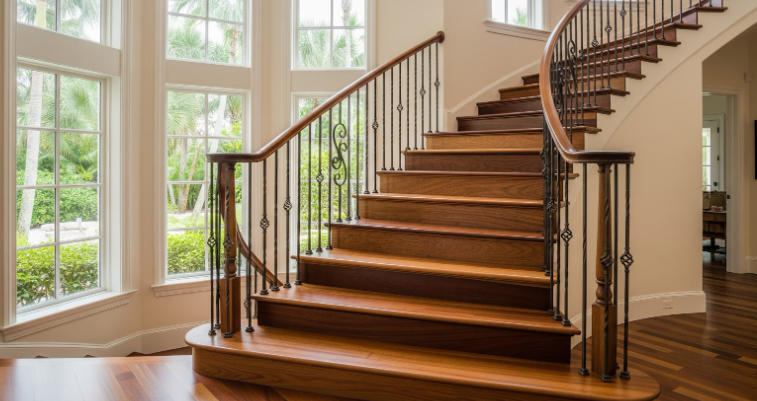
Why Hardwood Staircases Need Special Attention in Florida
Hardwood staircases bring a beautiful, upscale look to Florida homes—from Lakewood Ranch and Sarasota to Parrish and Bradenton. They elevate the feel of an entryway, add long-term value, and blend seamlessly with hardwood flooring on the main level. But installing hardwood on stairs isn’t as simple as laying planks in a bedroom or hallway. Florida’s humidity, temperature swings, and architectural styles introduce their own set of challenges.
Because staircases are high-traffic areas with structural variations, they need careful planning, precise craftsmanship, and materials that can hold up in Florida’s climate. Many homeowners partner with trusted professionals like LG Kramer Flooring to ensure their staircase installation is secure, stylish, and built to last. Understanding the process helps you make confident decisions as you begin your project.
This guide explains what makes staircase installations unique, what challenges Florida homes may face, and the best practices for achieving beautiful, safe, long-lasting hardwood stairs.
The Benefits of Hardwood Staircases in Florida Homes
Before diving into the installation process, it’s worth knowing why hardwood staircases are so popular in Florida—especially in transitional, coastal, and modern homes.
Timeless Style
Hardwood creates a clean, classic look that complements everything from coastal interiors to modern farmhouse designs. It also upgrades the overall feel of a two-story home.
Durability and Longevity
Hardwood is strong, resilient, and built to handle daily foot traffic. Staircases, being heavily used, benefit from this durable finish.
Easy to Clean
Compared to carpet, hardwood is easier to maintain—especially in homes with pets, allergies, or sandy shoes tracking in from outside.
Improved Air Quality
Carpet fibers can trap dust, moisture, and allergens. Hardwood keeps the environment cleaner and more breathable, which is especially useful in humid Florida climates.
If you’re comparing options and researching durable hardwood flooring styles that can match your staircase, consistency across floors is easier than you may think.
Unique Challenges of Installing Hardwood on Stairs in Florida
Staircases require precision at every step, but Florida homes introduce extra environmental considerations.
Humidity-Induced Expansion and Contraction
Hardwood naturally reacts to moisture. Florida’s high humidity can cause planks to swell, while air conditioning can cause them to contract. Stair treads and risers must be installed with exact spacing and secure bonding to prevent creaking, lifting, or separation.
Structural Variability
Not all staircases are built the same. You may encounter:
Open-sided stairs
Curved or winding staircases
Split-level landings
Narrow treads or irregular rises
Each variation affects how hardwood must be measured, cut, and installed.
Subfloor Surfaces
Some Florida homes use concrete on lower levels and wood framing upstairs, which can influence adhesive types, fasteners, and thickness choices for stair treads.
Safety Requirements
Staircases demand slip-resistant finishes, secure nosing, and proper measurements to ensure safety—especially in homes with children or older adults.
Preparing Your Staircase for Hardwood Installation
Proper preparation sets the stage for a smooth installation.
Step 1: Remove Current Flooring
Most staircases have carpet or laminate that must be carefully removed so the sub-surface isn’t damaged. If you’re switching from carpet to hardwood, materials like padding, tack strips, and staples need complete removal to create a clean surface.
Those considering carpet replacement in other parts of the home can explore carpet flooring options for adjacent rooms.
Step 2: Inspect and Repair the Structure
Before installation begins, the staircase should be checked for:
Loose steps
Creaking
Uneven treads
Gaps between risers
Water damage
Repairs may involve securing the framing, leveling treads, or reinforcing weakened areas.
Step 3: Measure Carefully
Hardwood installation on stairs requires exact measurements—often down to the millimeter. Each tread and riser may be slightly different, especially in older homes.
Accurate templates help ensure perfect cuts and seamless fitting.
Choosing the Right Hardwood Materials for Staircases
Not all hardwood products are ideal for staircase installation. Here’s what Florida homeowners should consider.
Solid vs. Engineered Hardwood
Both can work, but engineered hardwood offers greater stability in humid climates. It expands and contracts less, making it a safer, more reliable choice on stairs.
Thickness Matters
Stair treads need thicker, stronger boards for safety. Look for products specifically labeled for stair use or with compatible stair noses.
Compatible Stair Nosing
Nosing pieces complete the look and improve safety. Matching colors and finishes ensure the staircase blends seamlessly with surrounding floors.
Finish and Texture
Choose finishes that suit your lifestyle:
Matte: Hides scratches and footprints
Satin: Slight sheen with easy maintenance
Wire-brushed or textured: Provides grip and visual depth
Smooth glossy finishes are less slip-resistant, which may not be ideal for active households.
Installation Methods for Hardwood Staircases
There are two main installation methods for hardwood stairs: glue-down and nail-down. In some cases, a combination of adhesives and nails ensures maximum stability.
Glue-Down Installation
Common over concrete or when added strength is needed.
Benefits include:
Reduced squeaking
Strong, secure hold
Cleaner aesthetic without visible fasteners
Nail-Down Installation
Often used with wood stair structures.
Benefits include:
Fast installation
Long-term stability
Minimal movement when done correctly
Professional installers choose the right method based on staircase construction and flooring type, ensuring everything is secure and compliant with building codes.
Finishing Touches That Affect Budget and Performance
Hardwood stairs rely on more than just planks. Several finishing elements influence both cost and appearance.
Custom Trim Work
Trim, cove molding, and skirt boards give staircases a polished, built-in look.
Riser Options
Risers can be:
Painted wood
Matching hardwood
White risers for contrast
Decorative panels
Each choice changes both the style and the budget.
Handrails and Balusters
If you’re updating your staircase fully, consider refreshing the railing system for a cohesive look.
Maintenance Tips for Hardwood Staircases in Florida
Hardwood stairs, especially in humid climates, benefit from consistent maintenance.
Daily and Weekly Care
Sweep or vacuum frequently to remove sand and grit
Wipe spills immediately
Use stair runners in high-traffic homes
Climate Control
Maintaining consistent indoor humidity helps the wood stay stable year-round.
Refinishing Over Time
Depending on foot traffic, hardwood staircases may need occasional refinishing to restore their beauty.
When to Call a Professional
Installing hardwood on staircases is far more complex than installing flooring in a room. Because of the precision required, most Florida homeowners prefer professional installation—especially if stairs are curved, open-sided, or structurally inconsistent.
You should consider calling an expert if:
Your staircase is irregularly shaped
You notice squeaking or loose treads
Moisture issues are present
Safety or code requirements need evaluation
You want a seamless transition from floor to stairs
For help planning or completing your hardwood staircase project, you can always reach out to us. Our team is here to assist with every detail.


