

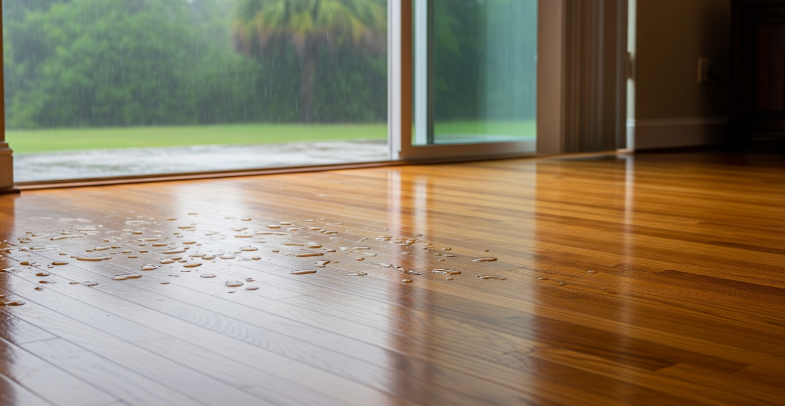
Why Rainy Season Care Matters for Hardwood in Florida
Florida’s rainy season brings high humidity, frequent storms, and weeks of damp weather. While hardwood floors are a beautiful addition to any home, moisture is their biggest enemy. Without the right care, excessive humidity can cause cupping, warping, gaps, and finish damage—problems no homeowner wants to deal with. Homes in Lakewood Ranch, Bradenton, Sarasota, Longboat Key, and Parrish all experience the same seasonal challenges: indoor humidity spikes, wet shoes at the door, pets tracking in moisture, and constant air conditioning use.
Hardwood isn’t fragile, but it does need thoughtful, consistent maintenance to keep it looking beautiful year-round. Many local homeowners rely on trusted professionals such as LG Kramer Flooring to help protect their investment and keep their floors performing at their best, especially when the rainy season hits.
This guide explains exactly how Florida’s climate affects hardwood and what you can do to preserve your floors during the wettest months of the year.
How Florida’s Rainy Season Affects Hardwood Floors
Hardwood reacts to its environment more than most flooring materials. When moisture in the air rises, wood naturally expands; when the air dries out, wood contracts. In Florida, where humidity can swing dramatically in a single day, hardwood floors are constantly responding to these changes.
Some of the most common issues homeowners see include:
Cupping: Boards lift at the edges due to moisture absorption.
Crowning: The center of the board rises when moisture sits on the surface.
Gapping: Spaces form between boards when humidity drops.
Finish dulling: Moisture, dirt, or residue can cloud the protective layer.
These problems aren’t inevitable—proper maintenance can significantly reduce the risk and help your floors maintain their beauty for years.
Daily Hardwood Care During Humid Weather
Small habits make a big difference during Florida’s rainy season. A simple routine helps keep moisture under control and prevents long-term damage.
Control Indoor Moisture
Keeping humidity levels stable is the most important step in protecting hardwood. Your goal is to maintain indoor humidity between 35% and 55% whenever possible.
Practical ways to manage moisture include:
Running the air conditioner consistently
Using dehumidifiers in rooms with hardwood
Running ceiling fans to keep air circulating
Keeping windows closed during storms and peak humidity hours
These simple steps prevent unnecessary swelling and warping.
Clean Up Moisture Immediately
Even the best hardwood finish can’t fully protect against standing water. Whether it’s a spill, wet umbrella, pet water bowl splash, or rainwater carried in on shoes, wiping up moisture quickly prevents damage.
Keep microfiber cloths handy for fast cleanup—an easy habit that preserves your floor’s durability.
Sweep or Dust Mop Daily
Florida’s sand and grit can scratch hardwood if left to accumulate. Daily dusting helps protect the finish and keeps the surface smooth. Pet owners especially benefit from this practice, as dander and debris can collect quickly during humid months.
Weekly and Monthly Maintenance Tips for Rainy Season
Beyond daily habits, a few weekly and monthly routines help keep hardwood in its best condition even when the weather is unpredictable.
Use the Right Hardwood Cleaner
Avoid harsh chemicals, oil soaps, or steam mops—these can damage hardwood or trap moisture. Choose a cleaner recommended for your specific floor type. If you’re unsure what’s safe, your flooring installer or manufacturer can offer trusted guidance.
Add Floor Mats and Rugs Strategically
Rugs may feel optional, but during the rainy season they’re your hardwood floor’s best friend. Place mats in:
Entryways
Living rooms with sliding doors
High-traffic hallways
Kitchens near sinks
These reduce moisture exposure and help trap sand before it reaches the wood.
Inspect High-Moisture Areas
Every few weeks, take a quick look at areas that see the most water exposure, such as:
Around exterior doors
Near windows
Under pet bowls
Adjacent to indoor plants
Spotting early signs of swelling or dullness lets you address issues before they become costly repairs.
If you’re comparing hardwood types for future projects, exploring hardwood flooring options can help you choose resilient materials that perform well in Florida’s climate.
Protecting Hardwood From Outdoor Moisture
Florida homes often open directly to lanais, patios, and pool decks, making it easy for moisture to travel indoors. Adding a few simple measures helps create a protective barrier between outside and inside.
Keep Outdoor Entry Points Dry
A good mat outside and inside each door helps catch water and sand before it reaches your hardwood. In storm season, place towels or mats where wet shoes or pet paws land first.
Train Pets to Enter Through a Designated Area
Whether it’s the garage door or a mudroom section, choosing one entrance helps minimize moisture exposure across your home. Keep towels nearby to wipe paws after rainy walks.
Use Boot Trays or Shoe Storage
Encouraging a no-shoes indoor policy significantly reduces wear on hardwood floors. A stylish tray or basket near the door makes it easy for guests and family to follow this practice.
Managing Humidity With HVAC and Home Systems
Your heating and cooling system plays a major role in maintaining indoor moisture levels. During Florida’s rainy season, adjusting a few settings keeps hardwood floors more stable.
Run the Air Conditioner Consistently
Air conditioning naturally removes moisture from the air. Even if temperatures feel mild, running the AC regularly helps keep humidity in the ideal range.
Use Smart Thermostats
Many Lakewood Ranch and Sarasota homeowners use smart thermostats to maintain steady humidity. These systems adjust air output automatically, reducing the chance of moisture fluctuations that stress hardwood.
Add a Dehumidifier if Needed
Homes with shaded yards, limited airflow, or lots of large windows benefit from supplemental dehumidifiers. They help maintain a balanced environment—especially in rooms with hardwood floors.
Refinishing and Professional Maintenance
Rainy season is actually one of the best times to consider refinishing hardwood. When floors show dullness, minor scratches, or light water damage, a professional refinishing service can bring them back to life.
Refinishing helps by:
Adding a fresh protective coating
Sealing the wood against moisture
Restoring shine and removing imperfections
Improving long-term durability
If boards show signs of cupping or warping, professionals can assess whether refinishing, repairs, or board replacement will deliver the best result. Skilled technicians—especially NWFA-certified installers—understand how Florida’s environment affects hardwood and how to treat it properly.
When to Call a Professional
While routine care covers most maintenance, some signs indicate it’s time to bring in experienced flooring specialists:
Persistent cupping or crowning
Dark spots from moisture exposure
Gaps that don’t close as humidity changes
Peeling or cloudy finish
Unusual noises or loose boards
Addressing issues early helps prevent structural damage and keeps your floors looking beautiful throughout Florida’s wettest months.
Homeowners looking for expert guidance or repair services can always reach out to us—we are here to help protect your floors and keep them performing at their best.


