

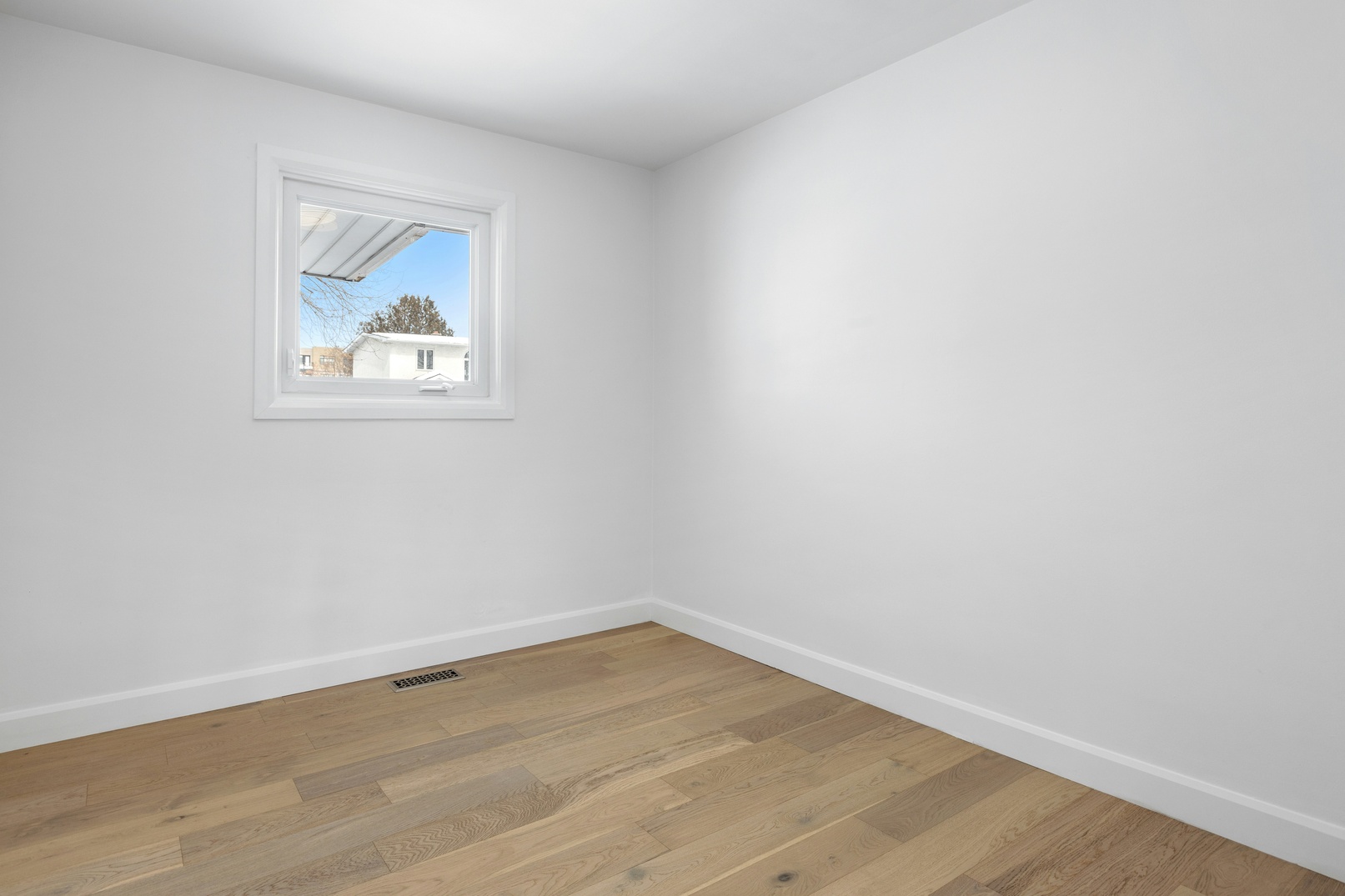
Laying down real wood planks transforms a room instantly, adding rich texture and timeless value to your living space. Yet, the secret to a long-lasting, silent, and stable surface sits completely hidden beneath those beautiful boards. Do hardwood floors need underlayment? The direct answer is yes. Skipping this foundational layer exposes your real wood planks to subfloor friction, moisture damage, and persistent creaks. Along the Suncoast, high humidity levels and concrete slab foundations make choosing the right cushion or vapor shield essential. Project guides and master installation teams evaluate lifestyle demands, structural requirements, and technical data to ensure your installation stands the test of time. Whether your property sits in Lakewood Ranch, Bradenton, Sarasota, Longboat Key, or Parrish, FL, understanding how subfloor preparation protects your floor helps you make an informed buying decision.
Do all hardwood floor installations require an underlayment?
Every hardwood floor installation benefits from an underlayment, but the specific type you need depends heavily on your subfloor material and installation method. Underlayment serves as an essential protective barrier between your subfloor and your finish planks.
For floating engineered hardwood floors, underlayment is entirely mandatory. Floating planks lock together without being nailed or glued directly to the ground beneath them. Without a high-density pad underneath, those boards will flex, bounce, and grind against the raw subfloor, creating hollow footsteps and joint wear over time.
For nail-down solid hardwood over plywood, a thin layer of asphalt-saturated felt or rosin paper is required. This layer reduces friction squeaks between the wood boards and subfloor while acting as a basic vapor retarder.
For glue-down installations on concrete, liquid moisture barriers serve as the underlayment system. Applying a continuous liquid membrane directly to the slab before laying adhesive stops ground moisture from destroying your wood investment.
Why is underlayment for hardwood floors vital in coastal environments?
Coastal weather brings intense humidity, sudden rainstorms, and high water tables. These regional conditions present unique structural challenges for homeowners across Sarasota and Manatee counties.
Moisture vapor barrier protection: Concrete slabs act like sponges, continuously drawing up ground moisture. A dedicated hardwood flooring underlayment featuring a built-in 6-mil polyethylene vapor barrier prevents dampness from migrating into your planks. Without this protection, wood fibers absorb moisture, causing boards to cup, crown, or buckle.
Acoustic sound dampening: Walking on unpadded hardwood over a concrete slab produces loud, hollow footfalls. High-performance acoustic foam, cork, or rubber underlayment absorbs impact sound, creating a quiet and serene indoor environment. This acoustic insulation is particularly important for multi-story residences and condominium living on Longboat Key.
Thermal insulation: Underlayment creates a thermal break between cool concrete slabs and your living space. This extra insulation layer helps maintain steady room temperatures and improves indoor energy efficiency throughout the year.
What is the best hardwood floor underlayment for concrete slabs?
Selecting underlayment for concrete subfloors requires strict attention to technical specifications. Concrete slab foundations retain ambient dampness, making moisture mitigation your top technical priority.
Attached 2-in-1 or 3-in-1 acoustic foam: These synthetic pads combine dense foam cushioning with an integrated vapor barrier film. They provide excellent shock absorption, moisture resistance, and thermal insulation for floating engineered planks.
Natural cork underlayment: Cork offers exceptional sound control, natural mold resistance, and long-term compression strength. However, because cork is naturally porous, installers must lay a separate 6-mil moisture barrier film over concrete before placing the cork down.
Rubber underlayment: High-density rubber pads provide superior acoustic performance and structural longevity. Rubber resists heavy weight without flattening, making it ideal for high-traffic family homes in Lakewood Ranch and Parrish.
Liquid moisture membranes: For glue-down engineered wood applications, trowel-applied liquid membranes seal concrete pores completely. This system creates a seamless moisture shield while bonding planks securely to the subfloor.
What happens if you skip installing underlayment under wood floors?
Omitting a proper underlayment system leads to severe structural failures that ruin room aesthetics and trigger costly repairs.
Without a smooth, level padding layer, tiny irregularities in your subfloor transfer directly to your finish floor. Planks can flex excessively, stress tongue-and-groove locking joints, and cause wide gaps to open up between boards.
Friction is another major issue. When raw wood or composite backing grinds directly against bare concrete or old wood subfloors, every step produces irritating creaks, clicks, and thumping noises.
Most importantly, skipping a moisture barrier over concrete voids manufacturer warranties instantly. If rising ground moisture causes your planks to cup or delaminate, flooring manufacturers will deny warranty claims if required underlayment standards were ignored during installation.
Why trust local master installation teams for your project?
Navigating subfloor preparation, moisture testing, and product specifications requires deep industry expertise. Certified installation crews manage every detail of your project from initial room measurement and demolition to subfloor prep and final trim installation.
Master craftsmen evaluate scratch resistance, wearability, design trends, and technical data specific to each flooring product. Subfloors are thoroughly inspected, leveled, and dried before laying down a single plank, ensuring your new floor handles daily lifestyle demands effortlessly.
Ready to protect your home with high-quality materials and expert installation? Visit a local showroom or set up an onsite consultation today to discover the ideal flooring solutions for your space!


