


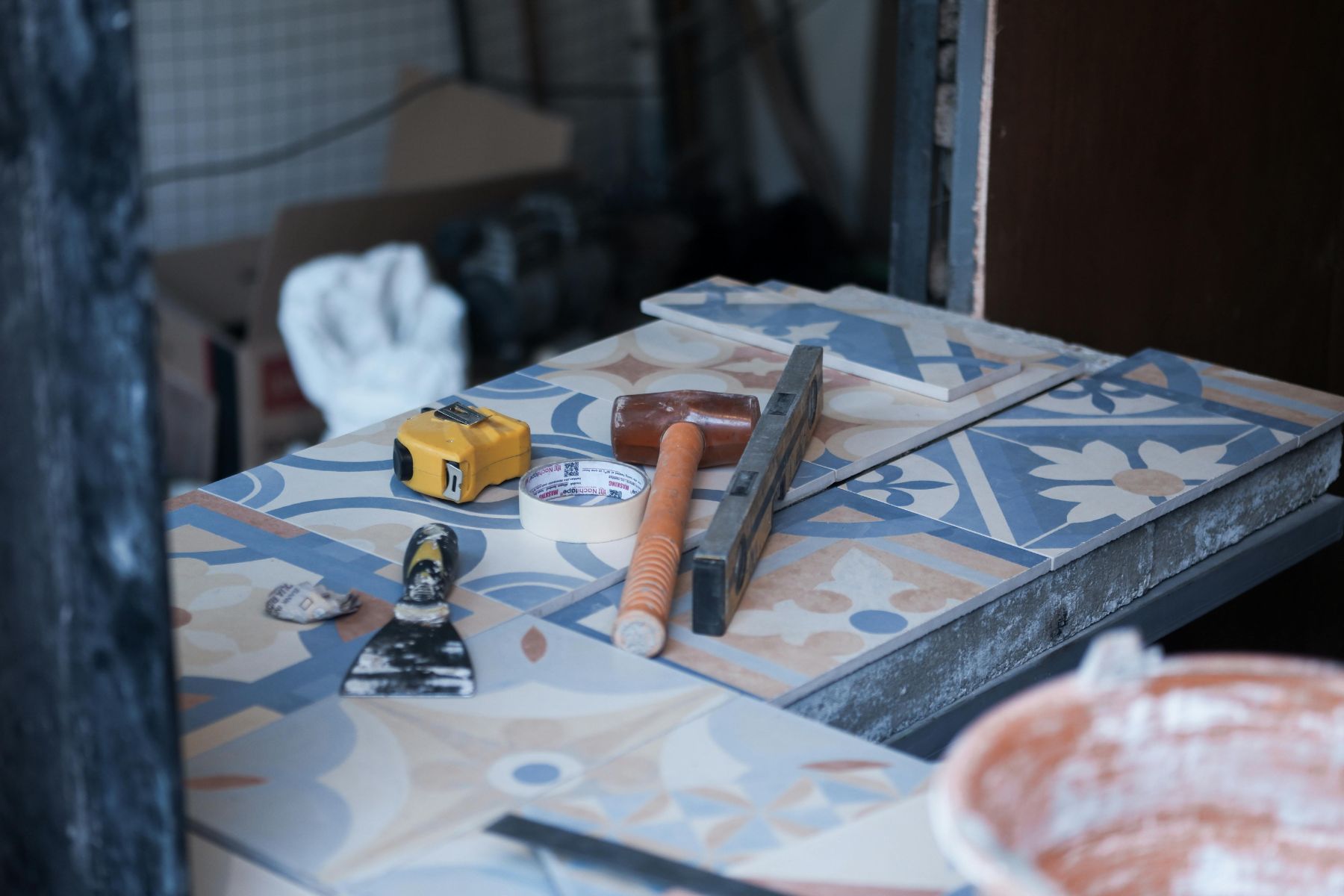
Tile can completely transform a space by adding durability, style, and a clean, finished look that homeowners love. However, even the highest-quality tile can fail if it is not installed correctly. I have seen projects where a small oversight during installation led to cracked tiles, uneven surfaces, or costly repairs. The reality is simple. Proper installation matters just as much as the tile itself.
If you are planning a tile installation project in your home, understanding what mistakes to avoid can save you time, money, and frustration. Let’s walk through the most common tile installation mistakes and how to prevent them so your investment lasts for years.
What happens when the subfloor is not prepared properly?
One of the most critical steps in tile installation is preparing the subfloor. When this step is skipped or rushed, problems almost always follow.
Tile flooring requires a stable and level surface to perform properly. If the subfloor is uneven, dirty, or structurally weak, the tile will not sit correctly. This often leads to lippage, which occurs when one tile sits higher than the adjacent tile. Over time, this uneven support can cause tiles to crack or come loose.
Before the tile installation begins, the subfloor should be:
Clean and free of dust, debris, and old adhesive
Level and flat across the entire surface
Structurally sound with no movement or flex
Taking the time to prepare the subfloor properly creates a solid foundation that supports the entire installation.
Why is using the wrong adhesive a costly mistake?
Choosing the correct adhesive is essential for long-term performance. Not all adhesives are designed for every tile type or environment, and using the wrong one can cause serious issues.
Different materials, such as porcelain, ceramic, and natural stone, require specific bonding products. In addition, areas exposed to moisture, such as bathrooms or kitchens, need adhesives that can handle humidity and water exposure.
Using the wrong adhesive can result in:
Weak bonding that causes tiles to shift or detach
Moisture buildup beneath the tile surface
Premature failure of the installation
An experienced tile installer understands which materials will perform best based on the tile type and the conditions of the space.
How can poor tile layout ruin the final look?
Tile flooring layout plays a major role in the overall appearance of a finished space. Starting installation without a clear plan often leads to uneven spacing and awkward tile cuts.
For example, ending a row with a very small piece of tile along a wall can make the entire installation look unbalanced. A well-planned layout ensures that the design feels intentional and visually appealing.
A proper layout plan should consider:
Centering the tile design within the room
Balancing tile cuts on opposite sides
Aligning grout lines for a consistent look
When layout is handled correctly, the final result looks clean, symmetrical, and professionally installed.
What problems come from skipping proper spacing?
Spacing between tiles is not just about aesthetics. It is a critical part of the installation process that allows for movement and flexibility.
Tile naturally expands and contracts due to temperature changes. Without proper spacing, tiles can press against each other, leading to cracks or lifting over time.
Using spacers helps ensure:
Even and consistent grout lines
A uniform and polished appearance
Enough room for natural expansion and contraction
When spacing is ignored or estimated by eye, the result is often uneven lines and a compromised installation.
Why does rushing the tile installation process cause issues?
Tile installation requires patience at every stage. Rushing through the process can weaken the entire system.
One common mistake is walking on freshly installed tile before the adhesive has fully cured. Another issue is applying grout too early. Both of these shortcuts can cause tiles to shift or reduce the strength of the bond.
Rushing the process can lead to:
Uneven tile surfaces
Loose or shifting tiles
Cracked or inconsistent grout lines
Allowing proper curing time ensures a durable and stable installation.
What happens when grout is applied incorrectly?
Grout plays an important role in protecting your tile installation. It fills the gaps, supports the tile edges, and helps prevent moisture from penetrating the surface.
When grout is applied incorrectly, it can lead to discoloration, cracking, or gaps that allow water to seep underneath the tile. In moisture-prone areas, failing to seal grout can further increase the risk of damage.
Common grout mistakes include:
Using the wrong type of grout for the application
Failing to pack grout into the joints fully
Skipping the sealing process when it is required
Proper grout application helps extend the life of your tile and maintain its appearance.
Why is cutting corners on tools and techniques a bad idea?
Tile installation requires precision, and the tools used play a major role in achieving a professional result. Cutting corners by using improper tools or techniques can lead to visible flaws and long-term issues.
For instance, dull cutting tools can chip the edges of tiles, which affects the finished look. Using the wrong trowel size can result in uneven adhesive coverage, which weakens the bond between the tile and the surface.
Professional tile installers rely on:
The correct trowel size for proper adhesive distribution
Clean and accurate tile cuts
Proven installation techniques that ensure durability
Attention to detail and proper equipment make a noticeable difference in the final outcome.
How can hiring the wrong tile installer impact your project?
Choosing the right installer is one of the most important decisions you can make. Tile installation may seem straightforward, but it requires skill, experience, and a strong attention to detail.
Hiring an inexperienced installer or attempting a complex project without the proper knowledge can result in costly mistakes. These issues often become apparent after the project is complete, making them more difficult and expensive to fix.
At LG Kramer Flooring, we understand how important it is to get every detail right. Since 2009, our certified installers have been dedicated to delivering high-quality results with precision and care. Once hired, our customers can feel confident knowing that every step is handled, from delivery and demo to installation and deadlines.
Our team, led by Gianna and Lance, is known for professionalism, friendliness, and craftsmanship. Clients consistently highlight our quality of work, cleanliness, and commitment to making sure every project is completed to the highest standard.
Looking to buy tile in Lakewood Ranch, FL? Contact us!
Tile flooring should be a long-term investment that enhances your home, not a source of stress. By avoiding these common mistakes, you can ensure your installation looks great and performs well for years to come.
If you are planning a tile installation project, working with an experienced local team can make all the difference. LG Kramer Flooring has helped more than 3,000 homeowners, designers, and contractors bring their projects to life, from large residential homes to commercial high-rise spaces. Contact us today if you're ready to get started on your remodel. Our showroom in Lakewood Ranch, FL, serves Lakewood Ranch, Bradenton, Sarasota, Longboat Key, and Parrish, FL.


